How Music Heals the Mind and Body? Scientific Answers from Frontier Research
The idea that music affects human health is not a vague feeling; it rests on solid biological evidence. A study published in Translational Psychiatry (a Nature journal) provides a neurophysiological framework for how music influences mental health [1]. Integrating advances in neuroscience, psychology, and psychiatry, the research identifies four core elements of human musicality that drive therapeutic effects. Tonality evokes deep emotions through pitch and harmony. Rhythm directly drives body movement and emotional pacing. Reward mechanisms generate pleasure and sustained motivation to engage. Sociality uses music as a bridge to connect people with one another. These four elements work together to explain why music can regulate our psychological state at the neural level. The framework also supports standardised music interventions by emphasising personalised approaches that respond to each individual’s differential sensitivity to musical components, thereby achieving more precise healing outcomes.
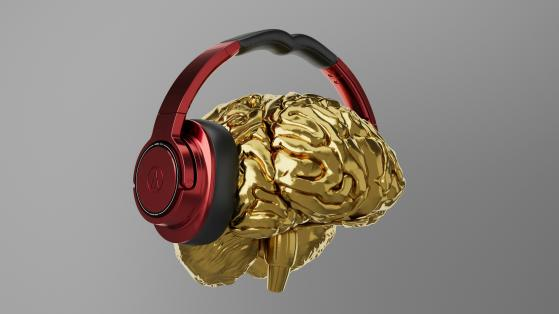
Figure 1: A golden brain with a headphone on. Photo by Bhautik Patel on Unsplash.
Clinical data strongly confirm the effectiveness of music therapy in reducing psychological distress. A systematic review and meta-analysis published in Complementary Therapies in Medicine included 21 randomised controlled trials with 1,777 participants [2]. The results showed that music therapy significantly reduced depression and anxiety symptoms in older adults, while also improving blood pressure and cognitive function. The study further identified key factors for optimal outcomes: passive music therapy (simply listening to music), sessions of 60 minutes each, individually tailored music selections, and a total cumulative intervention time of around 20 hours. Another systematic review, which analysed eight studies across databases including CNKI, BMC, and PubMed, confirmed that music therapy consistently and significantly lowers stress, anxiety, and depression across different age groups [3]. The review also noted that future research should pay more attention to under-studied populations such as young children, and should use larger sample sizes and long-term follow-up designs.

Figure 2: A person listening to music with eyes closed. Photo by morefun_boy on Unsplash.
The value of music therapy goes beyond individual symptom relief; its profound impact on community and social connection is equally important. A qualitative case study published in the Health Promotion Journal of Australia conducted in-depth interviews and observations of a community music project [4]. Participants reported that they experienced joy, healing, a sense of purpose, and creative self-expression through music activities. They also gained confidence and social connection. At the community level, the music activities developed community bonds, fostered a sense of safety, and shaped a shared collective identity. The research emphasised that community-led arts participation opportunities can support healing and empowerment for marginalised groups. This finding aligns closely with the core belief of the Mind & Motion Initiative: the ultimate goal of the arts is not only to make individuals healthier, but also to make communities tighter and more inclusive.
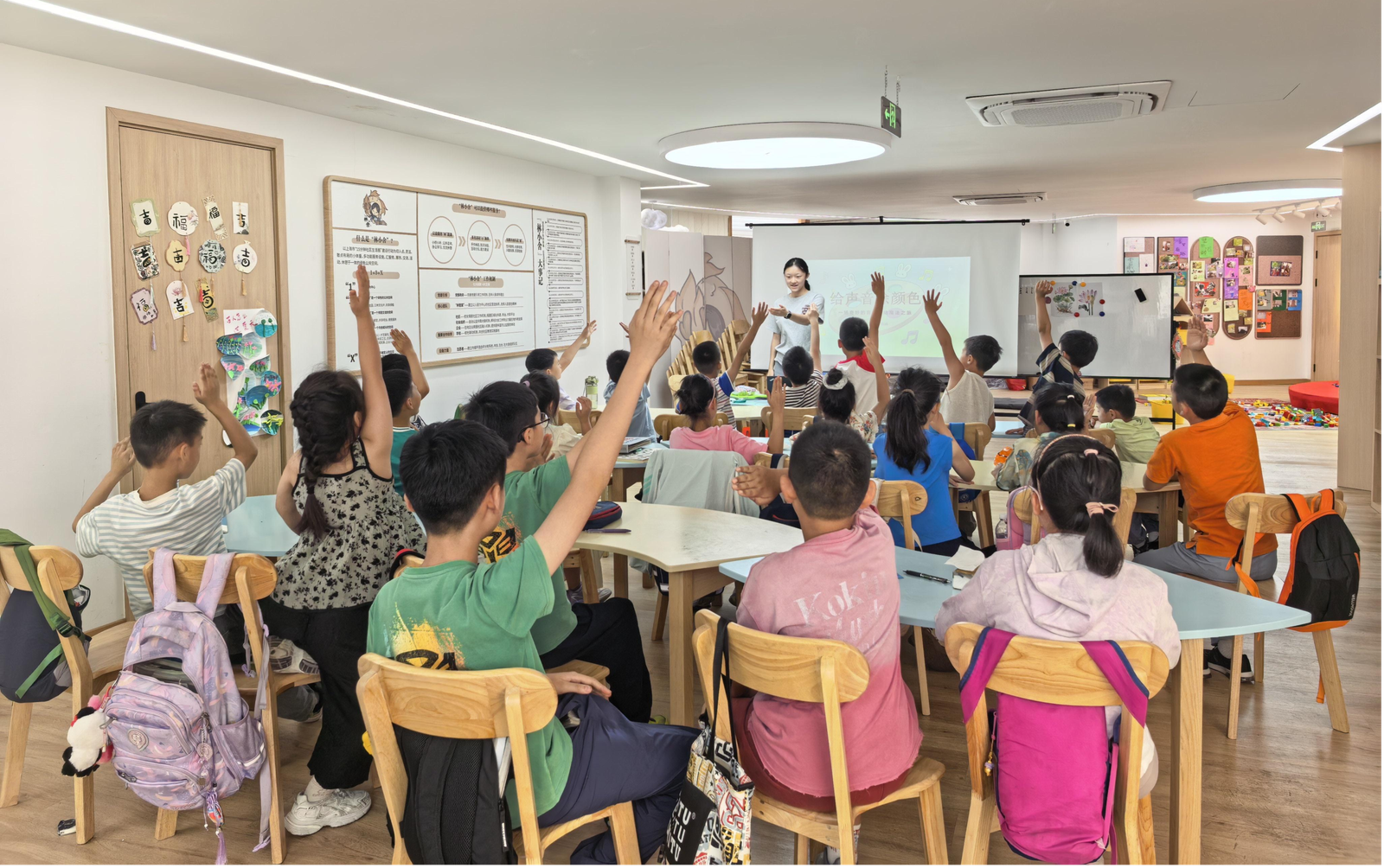
Figure 3: A music workshop at a summer community program. Photo by Mind & Motion Initiative.
In response to the global challenge of population ageing, music therapy has shown unique intervention value. A narrative review published in the European Geriatric Medicine systematically searched the MEDLINE biomedical database and selected 75 studies from 1,147 articles [5]. The review found that music therapy produces positive effects across three domains for older adults. In physical health, music enhances motor function and fitness, with notable benefits for managing Parkinson’s disease and frailty. In cognitive health, it improves attention and other cognitive functions, and is particularly helpful for people with dementia. In social and emotional health, it significantly reduces anxiety and depression, improves quality of life, and also helps relieve caregiver stress. These findings suggest that promoting music therapy in community settings and aged care facilities is a safe, low-cost, and effective non-pharmacological intervention.

Figure 4: Elderly people participating in music workshop. Photo by Mind & Motion Initiative.
Taken together, these studies build a clear chain of evidence. From the neurobiological mechanisms at the micro level, to the alleviation of depression and anxiety at the individual level, and to the rebuilding of social connections at the community level, music therapy works across all dimensions. This is the scientific foundation that gives the Mind & Motion Initiative the confidence to place music at the core of our programmes. We believe that every melody can be a form of medicine, and our mission is to make that medicine accessible to all.
References
[1] Bowling, D. L. (2023). Biological principles for music and mental health. Translational psychiatry, 13(1), 374. doi: 10.1038/s41398-023-02671-4
[2] Wang, M., Wu, J., & Yan, H. (2023). Effect of music therapy on older adults with depression: A systematic review and meta-analysis. Complementary Therapies in Clinical Practice, 53, 101809. doi: 10.1016/j.ctcp.2023.101809
[3] Liu, R. (2025, December). A Review on Music Therapy’s Role in Alleviating Stress, Anxiety, and Depression. In 2025 International Conference on Mental Growth and Human Resilience (MGHR 2025) (pp. 801-808). Atlantis Press. doi: 10.2991/978-2-38476-509-6_89
[4] Heard, E., & Bartleet, B. L. (2025). How can community music shape individual and collective well‐being? A case study of a place‐based initiative. Health Promotion Journal of Australia, 36(2), e921. doi: 10.1002/hpja.921
[5] Raja, S., Barry, C., Upadhyay, R., Alash, R., O’ Raghallaigh, M., Hayes, R., & Romero-Ortuno, R. (2025). Harmonious ageing: a narrative review of music therapy in the biomedical literature. European Geriatric Medicine, 16(2), 461-472. doi: 10.1007/s41999-024-01146-z