Treasure House Music Workshop
Situation
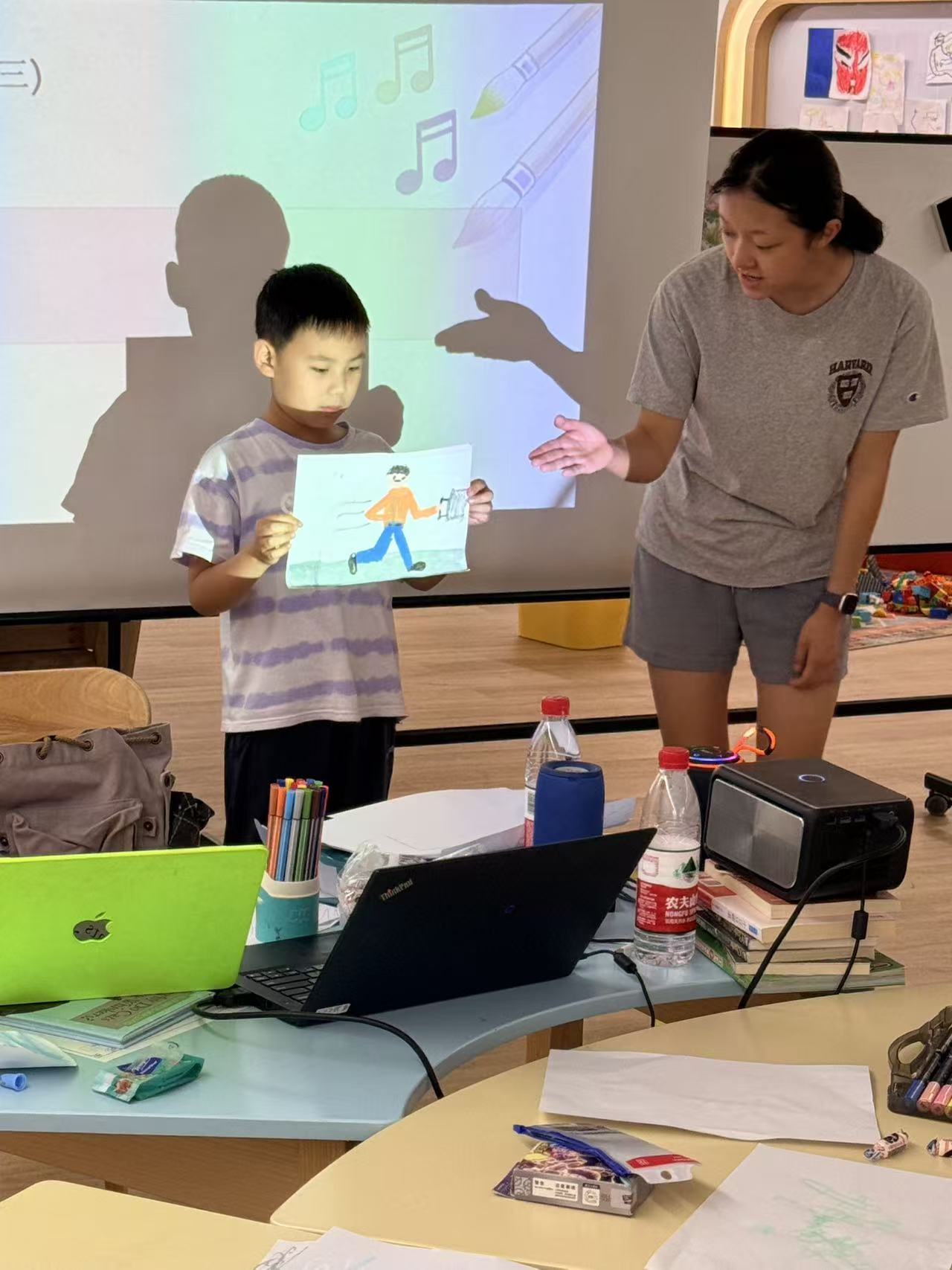
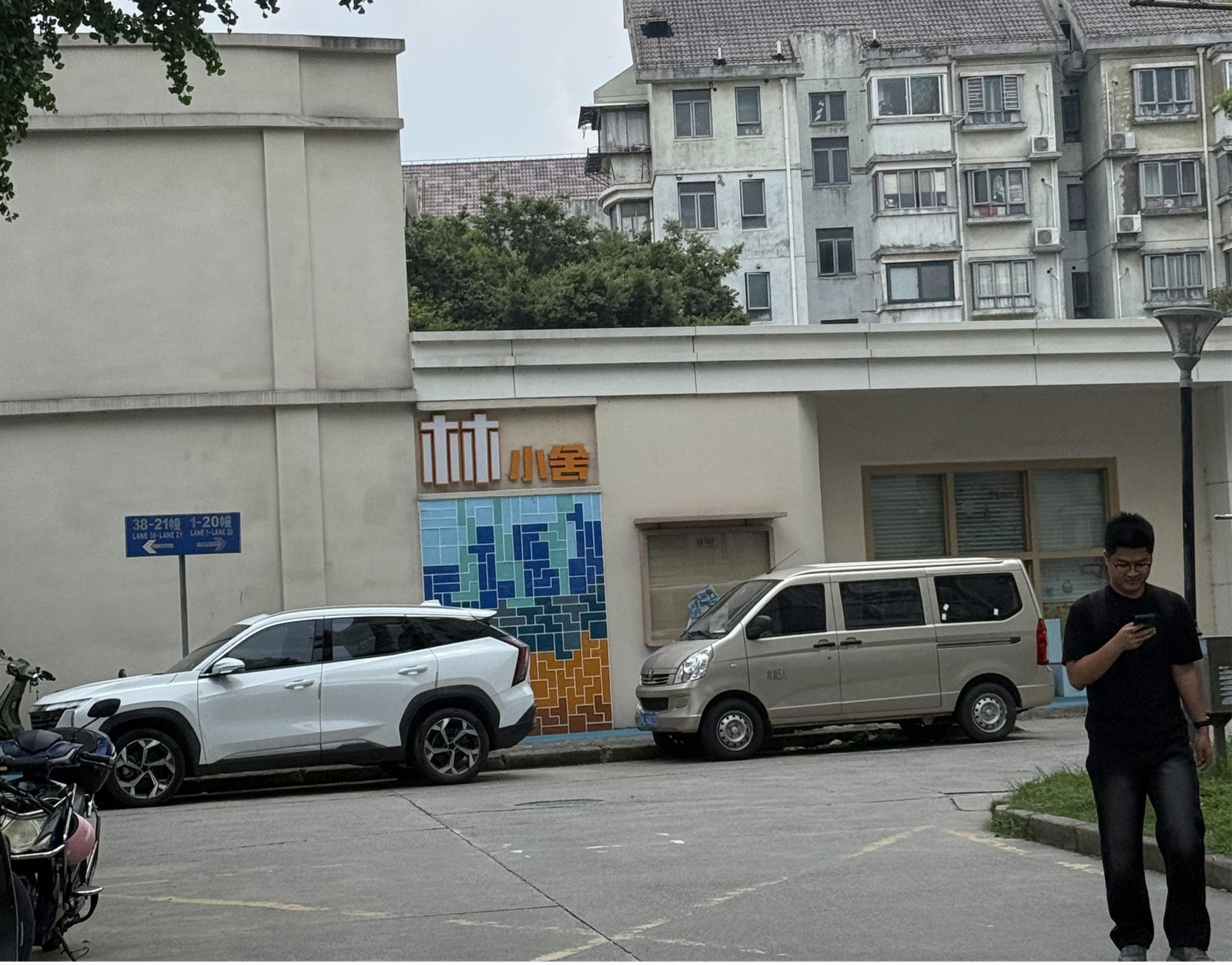
During the summer vacation, many migrant families living in the Sanlin area of Pudong, Shanghai, face a difficult situation because parents must work full time while schools are closed, leaving their children unsupervised. The local community center runs a summer childcare program called “Treasure House”, which serves these migrant children by offering them a safe place to stay during the day. However, “Treasure House” primarily provides basic supervision and meals, and it lacks structured educational or enrichment activities. The children who attend come from families that have moved to Shanghai from other provinces, and they face challenges including unstable housing, frequent school transfers, limited access to quality learning resources, and parents who are too exhausted to provide emotional guidance. Many of these children struggle with feelings of displacement and low self confidence, and they have restricted channels for expressing their emotions. I learned that “Treasure House” was seeking volunteers to offer meaningful learning experiences, so I decided to design and deliver a one and a half hour music therapy inspired lesson for these children.
Task
My mission was to design and deliver a ninty minute lesson titled “Giving Sound a Color” for children in grades one through five at the Treasure House childcare center. The lesson was built around the concept of synesthesia, and I aimed to use this as a bridge to help children express their emotions through non verbal means. My objectives were cognitive, emotional, and behavioral. Cognitively, I wanted the children to understand the connection between sound and emotion, and to learn the correspondences between emotions and colors. Emotionally, I aimed to provide a non judgmental environment where children could experience the diversity of their emotions and find relief through music and art. Behaviorally, I wanted the children to use colors and lines to express the feelings they experienced while listening to music. I also had to consider the wide age range, varying literacy levels, and the need to keep the lesson engaging and accessible without relying heavily on reading or writing.
Action
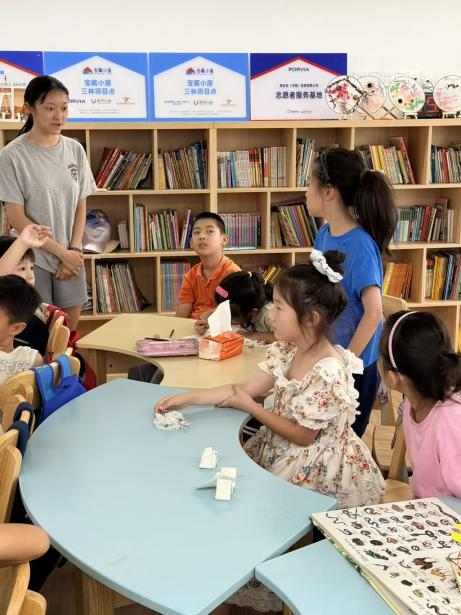
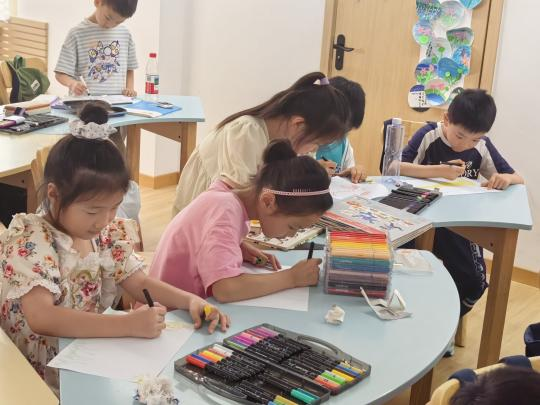
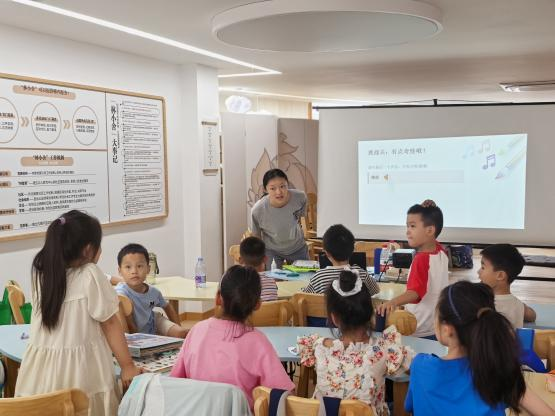
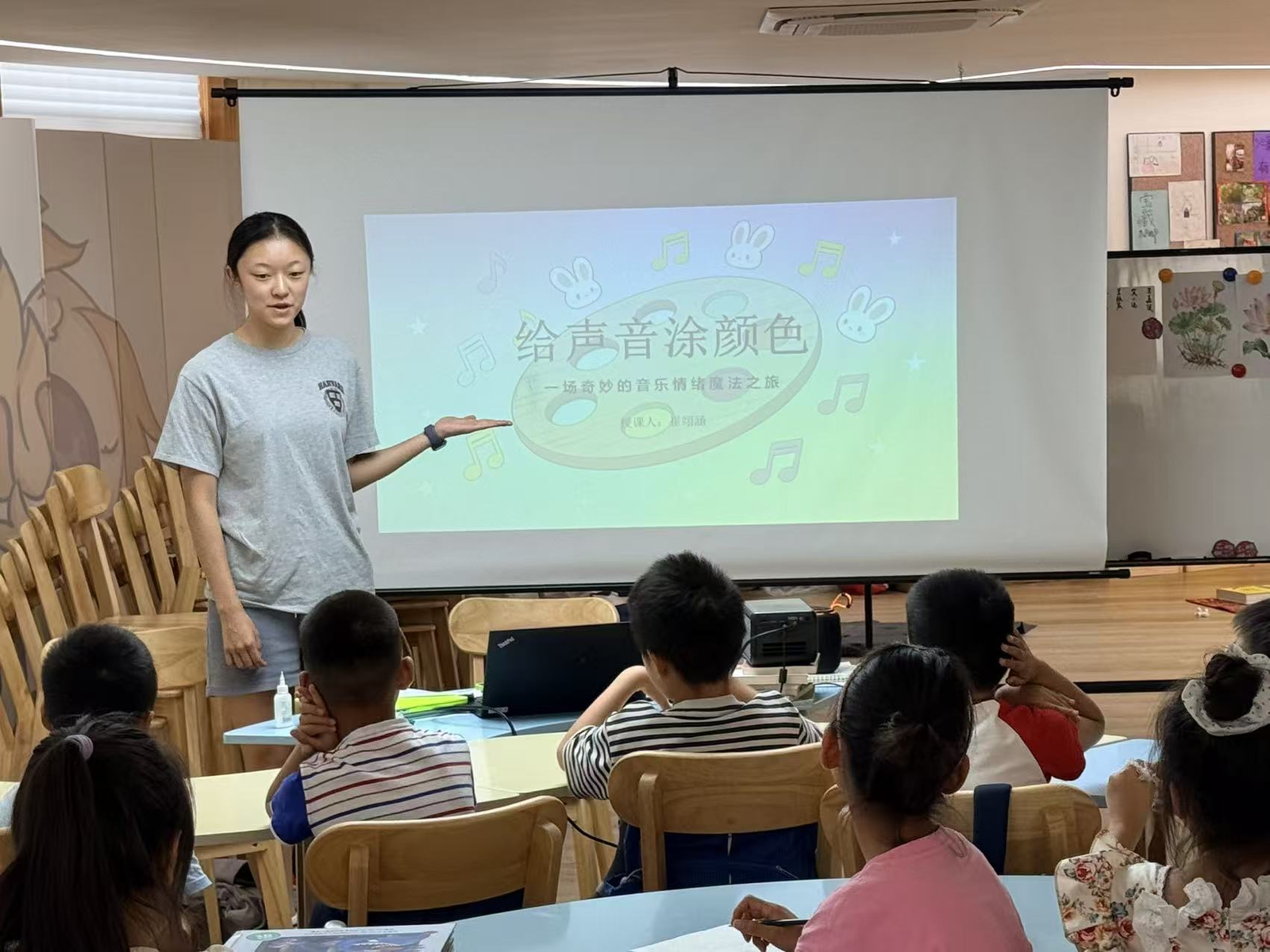
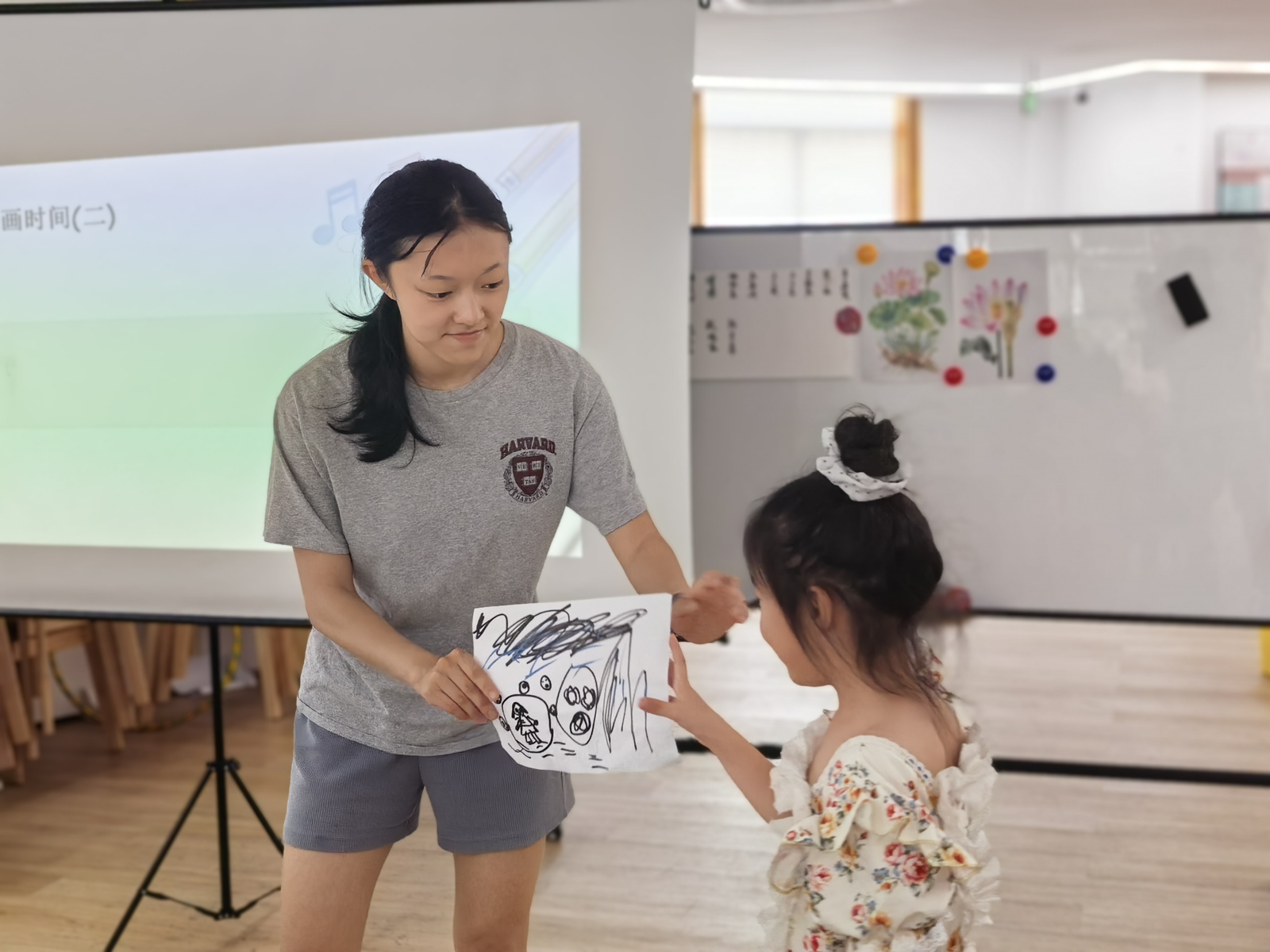
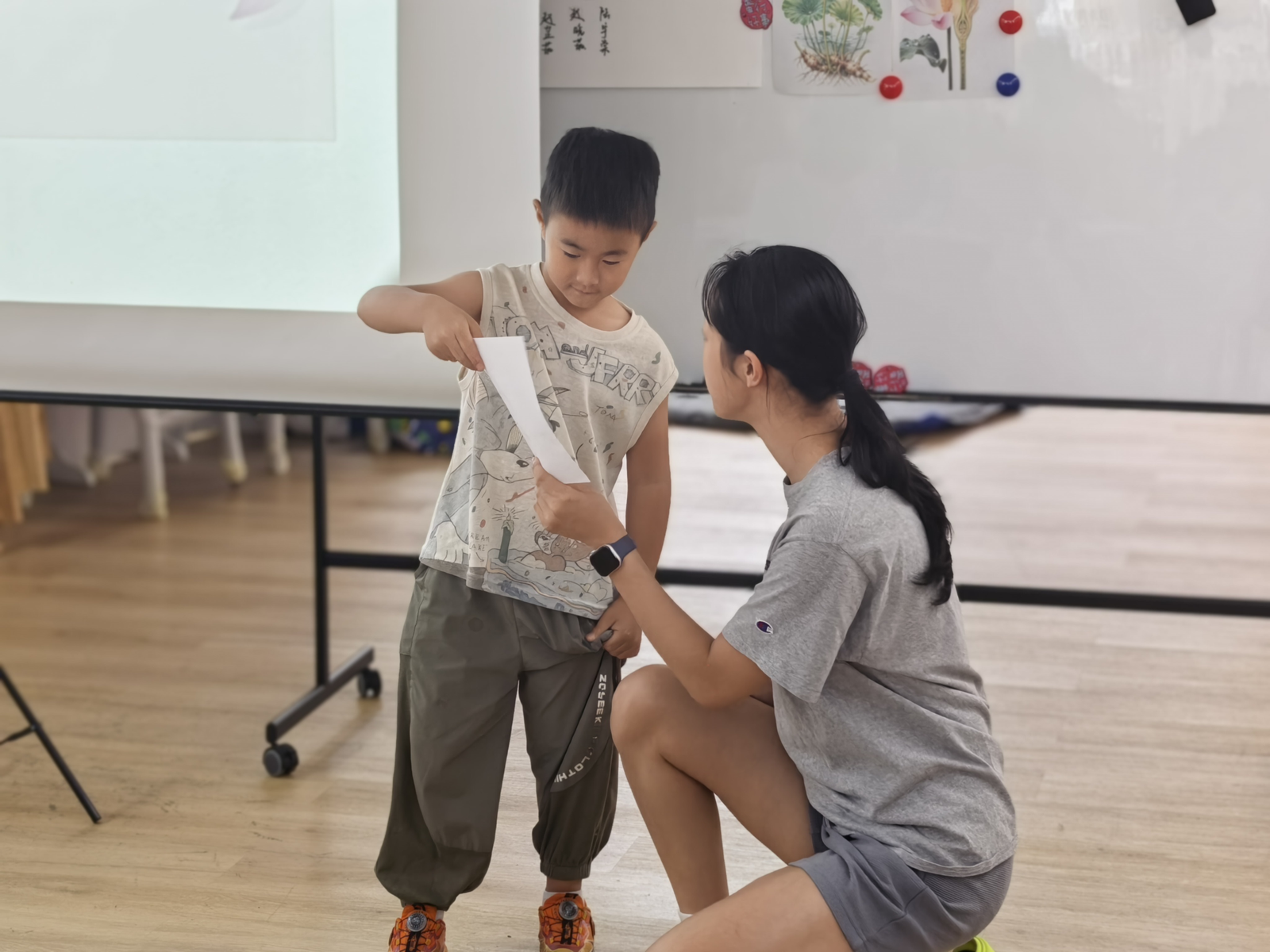
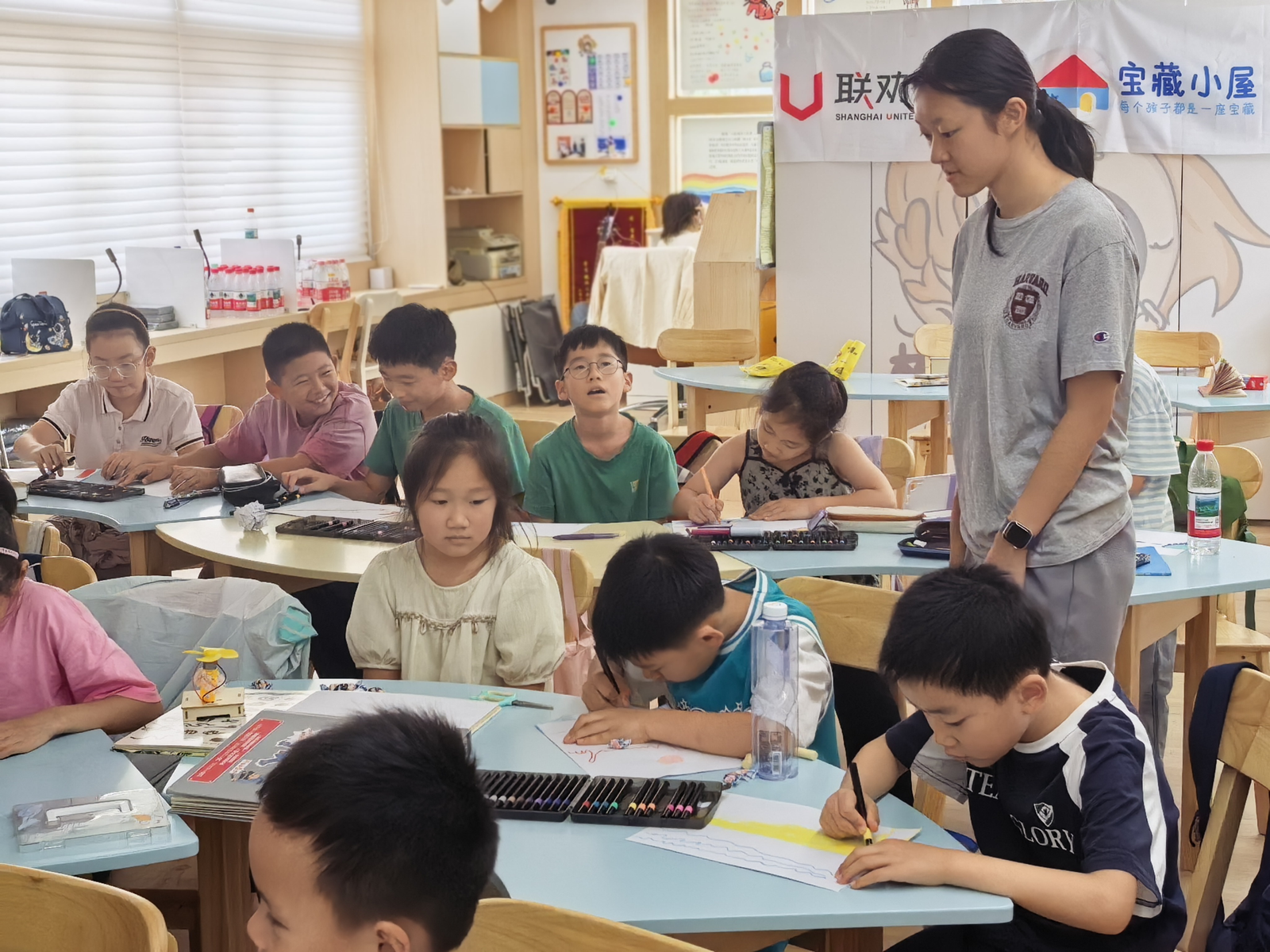
I developed a lesson plan with a progressive six part structure. I started with a welcoming introduction where I presented the experience as a magical game to reduce initial shyness. I then explained how the amygdala acts as a “little alarm system” in the brain using simple examples like thunder making us scared and gentle singing making us happy. Next came an interactive listening game called “Ear Challenge,” where the children closed their eyes and identified six sounds, after which I asked them to describe how each sound made them feel. I then introduced synesthesia through the analogy of sensory “visiting” and explained how colors carry emotional meanings using familiar examples like red envelopes for excitement and blue sky for calmness. I played three short musical excerpts and asked the children to silently imagine a color for each. The core activity was a seventeen minute music painting session where I distributed paper and markers and played three full pieces, asking the children to express their emotions through colors and lines. A significant challenge was managing the children’s overwhelming enthusiasm, so I alternated between calling on eager students and deliberately selecting quieter ones to ensure everyone had a fair chance. I closed the lesson by summarizing the core messages: that sounds carry emotions, that emotions have colors, and that each child’s personal feelings are valid.
Result
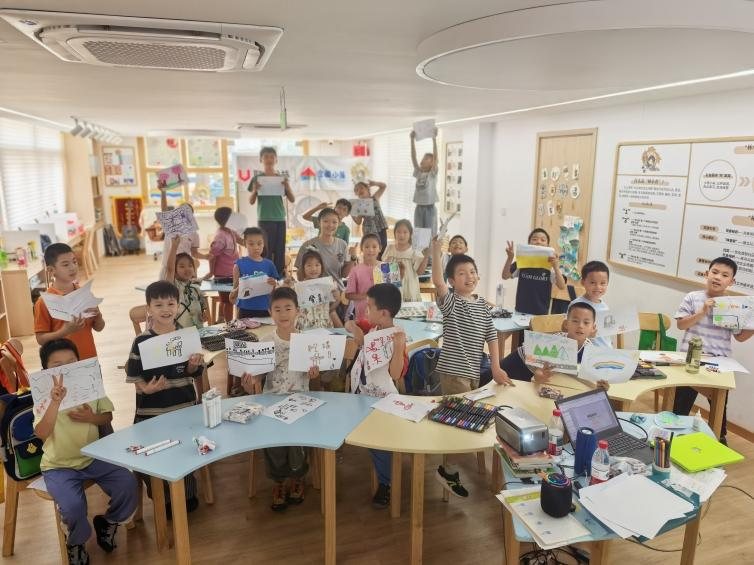
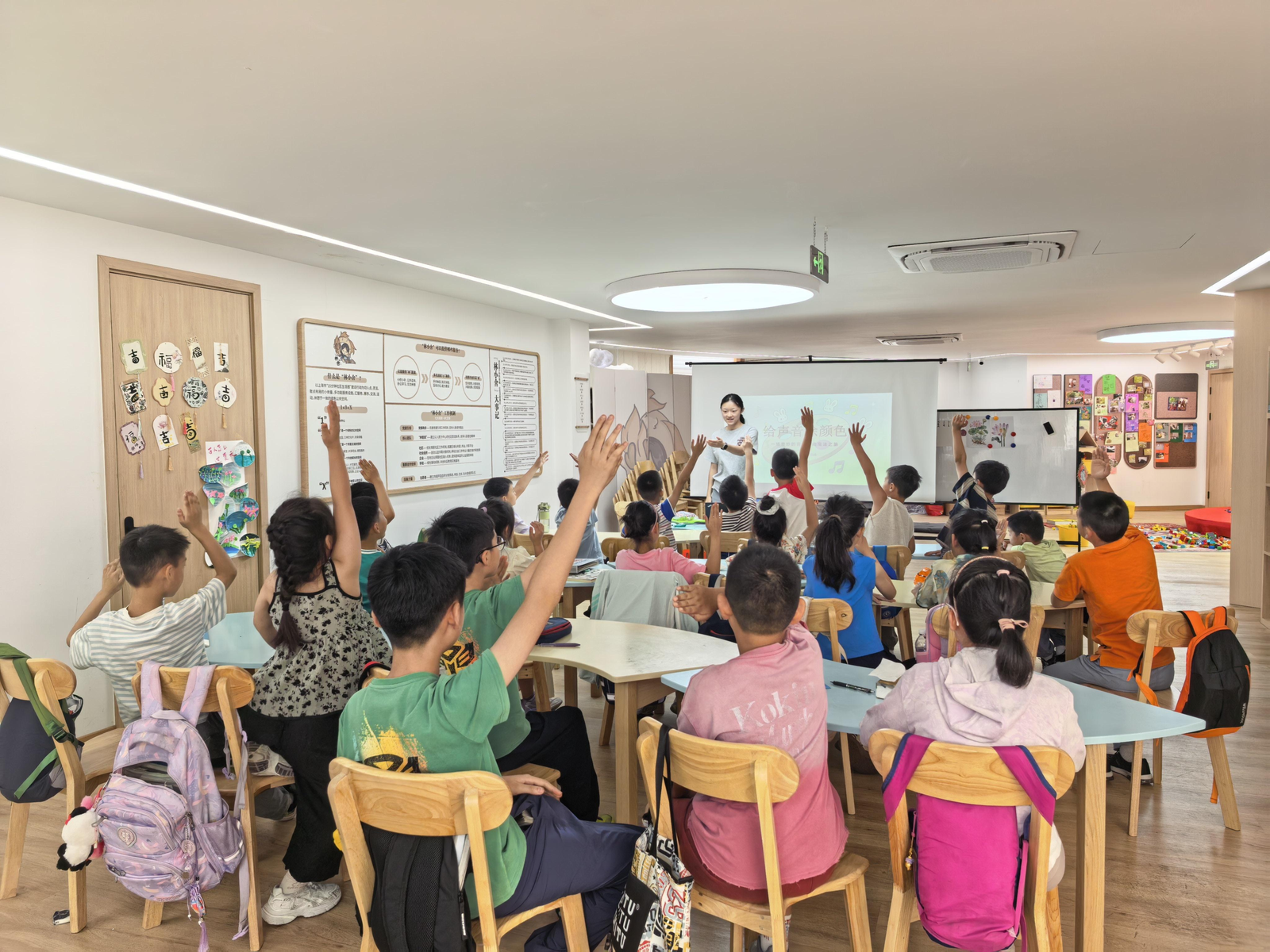
The lesson was delivered to approximately twenty-five children, mostly in grades two and three, and the response was overwhelmingly positive. One child shared that she chose green for a particular piece because it made her feel as though she was inside the music, while another pointed out that dark red feels frightening but light red feels warm, showing remarkable emotional sensitivity. The music painting activity produced creative artwork that clearly reflected the different emotional tones of each piece. The center staff told me this was the most interesting lesson the children had ever had at “Treasure House”, because previous volunteers had mostly taught boring academic content, whereas my session was interactive and engaging. Several children approached me afterwards to ask when I would return, indicating that the lesson had sparked genuine interest in music, art, and emotional expression. Even a shy child who had been reluctant to speak eventually produced a detailed painting and quietly explained the emotions behind it. The experience also taught me valuable lessons about classroom management, specifically how to balance enthusiasm with fairness. Overall, the session confirmed that a music based emotional expression lesson could effectively help migrant children identify and articulate their feelings in a safe and enjoyable way.