Seniors Exhibition
Situation
My earlier community work with the Elderly Music Reminiscence Volunteer Team had shown that nostalgic music and conversation could reduce loneliness among seniors, but this direct intervention reached only a small number of elderly participants and did not raise broader public empathy. Most high school students had no sensory understanding of ageing, such as stiff fingers, unsteady walking, or emotional isolation, and my own GDS surveys and in-depth interviews confirmed that elderly individuals deeply crave companionship yet remain frequently overlooked by younger generations. Existing awareness campaigns relied mainly on lectures or text, which failed to create genuine emotional impact. Therefore, I identified a clear need for a large-scale experiential event that would allow young people to step into the physical and emotional world of the elderly, and I decided to take on the entire curatorial project by myself to foster empathy through direct experience rather than abstract description.
Task
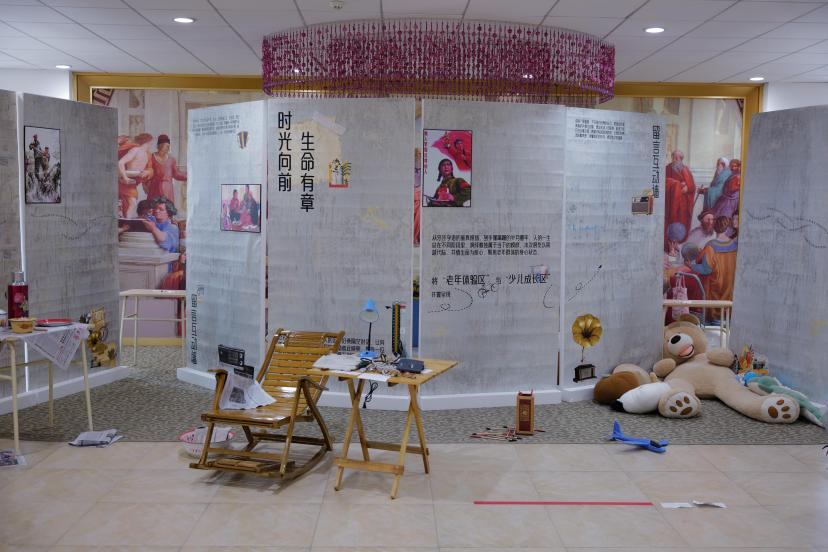
My mission was to design, build, and launch a temporary immersive exhibition titled “Childhood and Twilight, In Sight, In Warmth” on my school campus, scheduled for the week of April 20 to 24, 2026, and targeting the entire high school population of approximately 600 students. I aimed to create a Senior Experience Zone that simulated the physical difficulties of aging using interactive simulation tools and authentic vintage settings, allowing visitors to personally feel reduced dexterity, limited mobility, and the sensory atmosphere of an old-fashioned home. I also planned to juxtapose this with a Children’s Growth Zone that presented the innocent and dependent nature of early childhood, thereby highlighting that both ends of life share a fundamental need for gentle care and attention. Additionally, I intended to include a feedback questionnaire to collect visitors’ reflections on elderly mental health and their own communication patterns, which would help me understand the exhibition’s impact and guide my future volunteer activities. The project had to be completed with limited resources and within a tight schedule, all of which I would handle as the sole curator.
Action
I began by defining the core curatorial concept: to contrast the two most vulnerable stages of life side by side, so that visitors could see the parallel needs for care and attention.
For the senior zone:
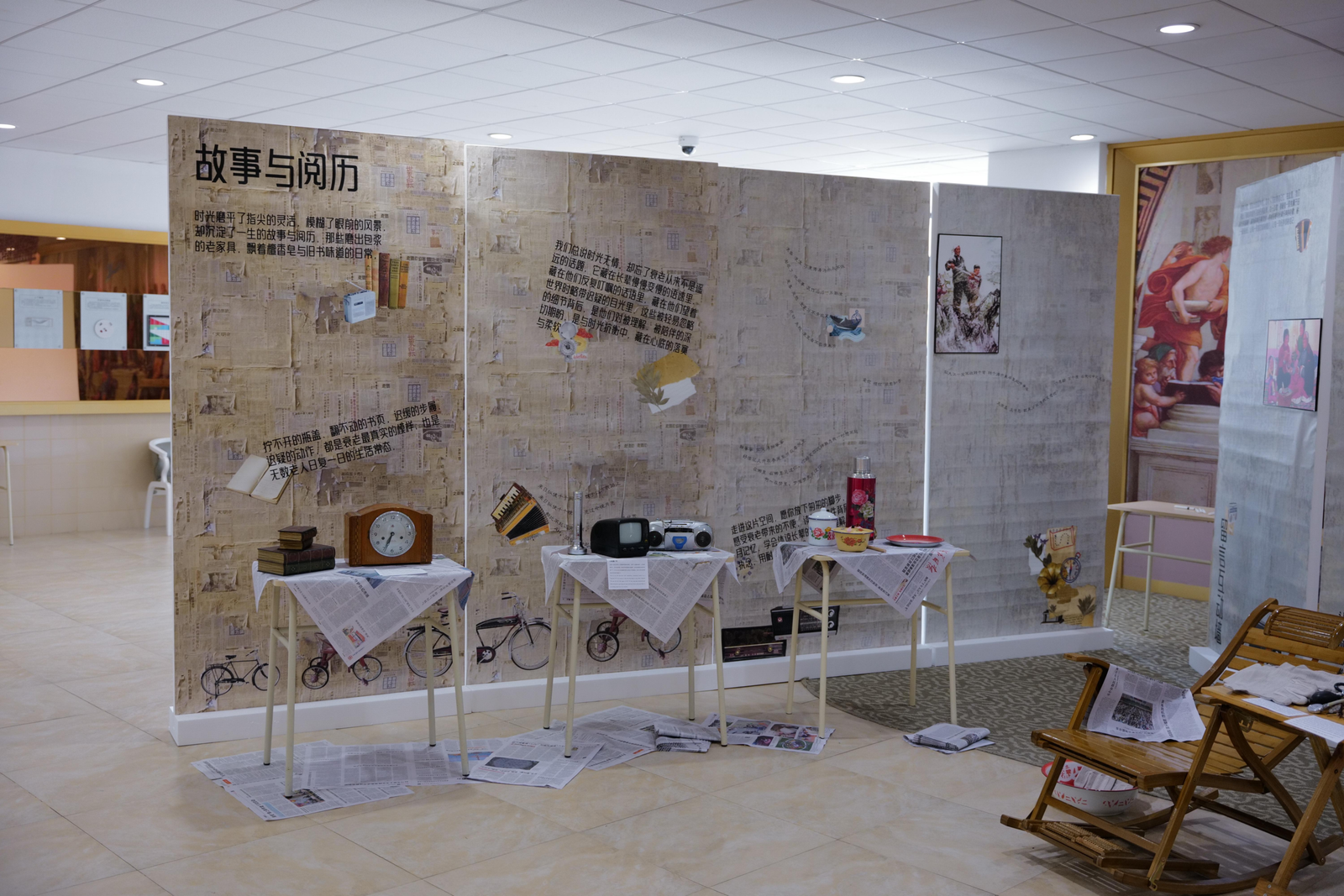
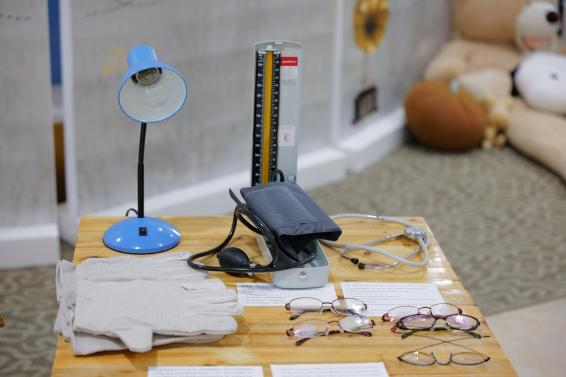
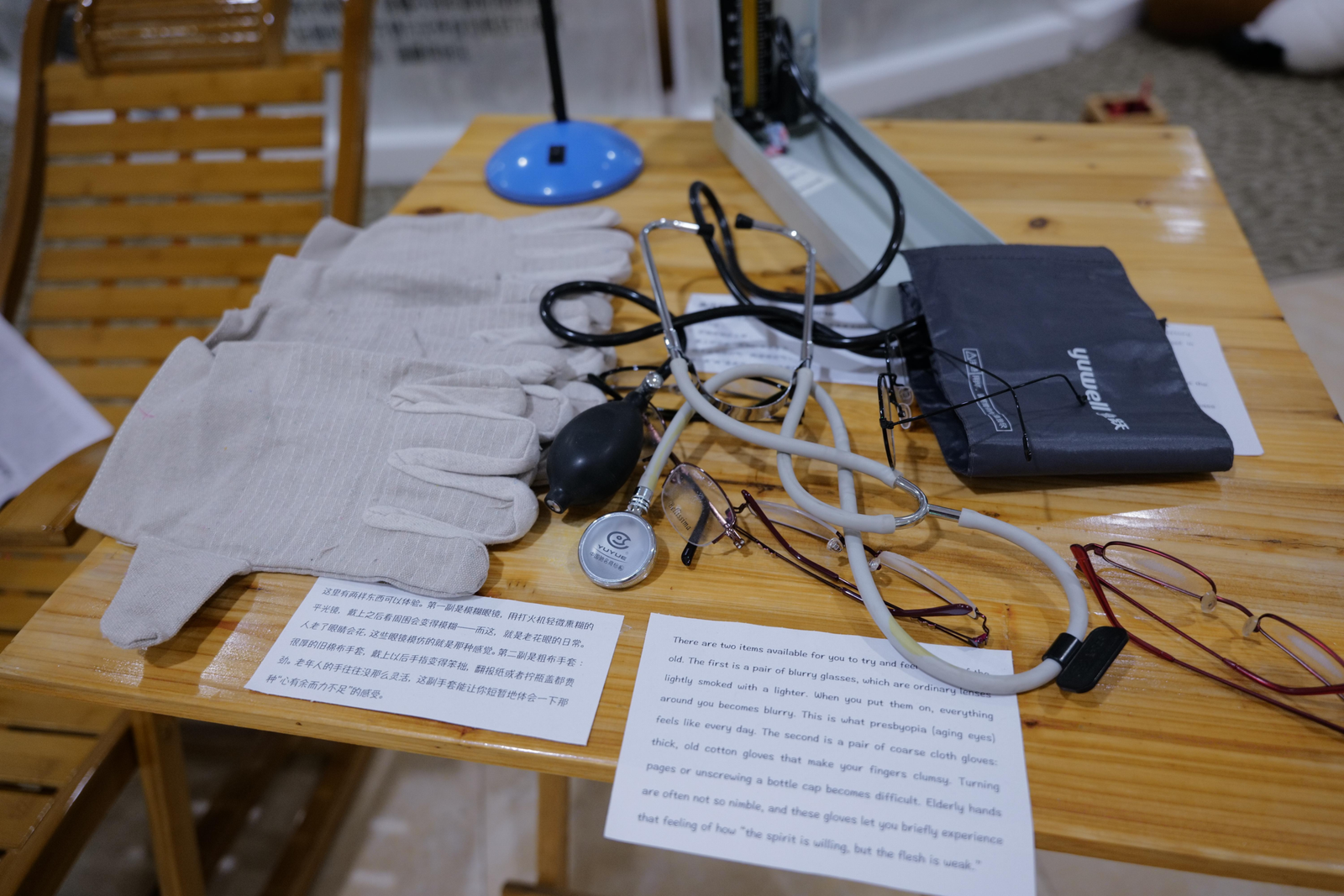
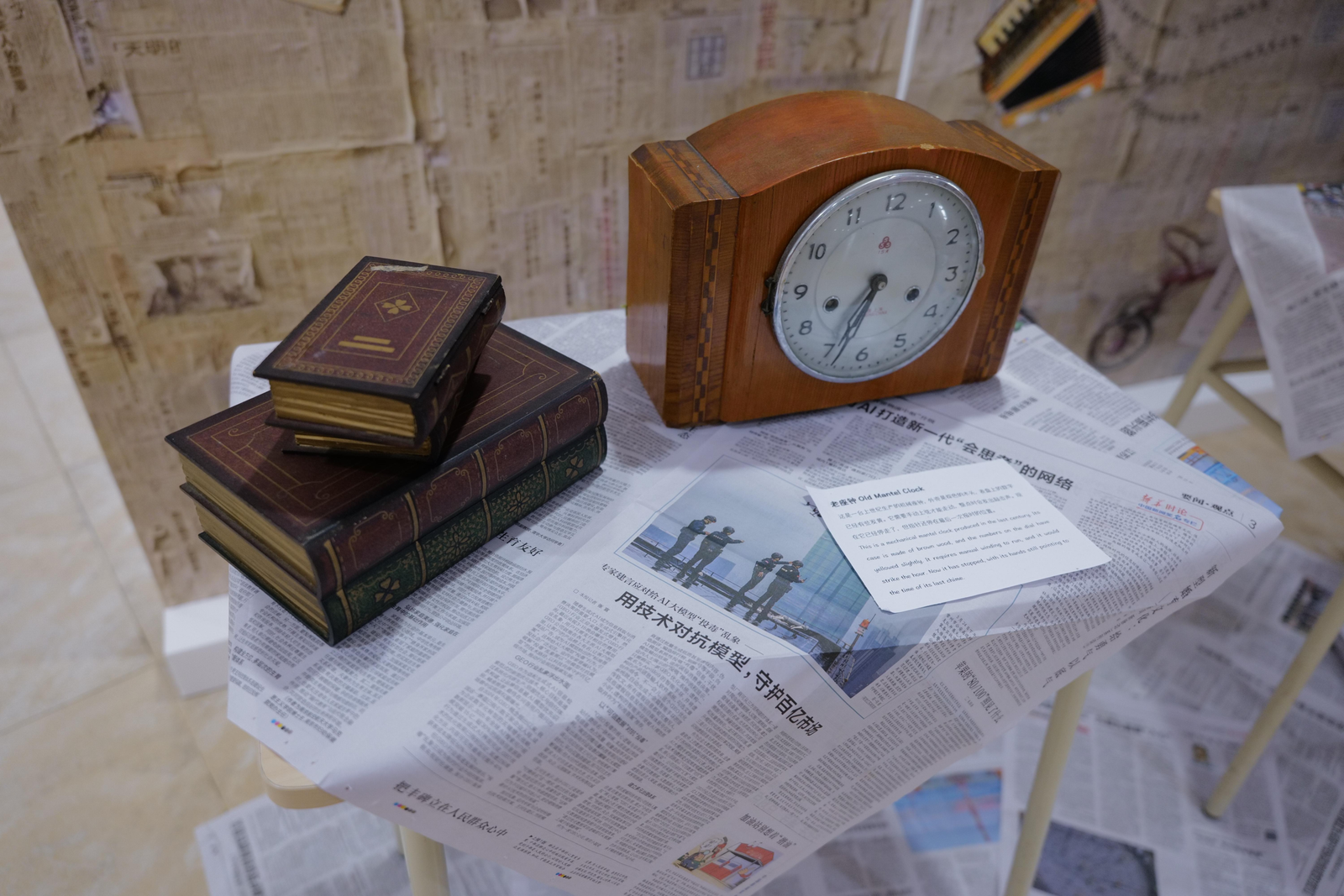
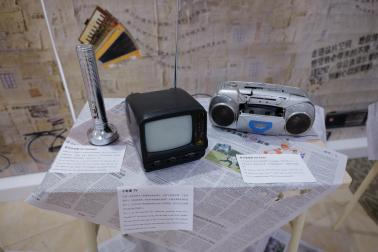
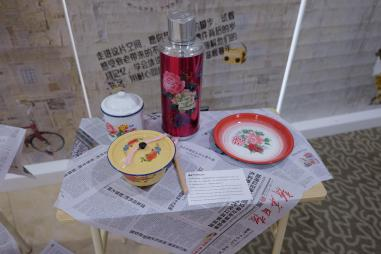
- I decided to combine three layers of experience. The first layer was sensory simulation, where I designed stations that forced visitors to perform simple tasks while wearing thick gloves to mimic arthritic hands, and weighted bands to simulate muscle weakness. I also created an uneven floor path to make walking feel precarious, because I wanted people to experience the constant vigilance that ageing demands. The second layer was environmental immersion, for which I assembled a full room of vintage furniture and everyday objects, including a rocking chair, an old television, a radio, enamelware, and small personal items like medicine bottles and a half-knitted scarf, to recreate the familiar atmosphere of an elderly person’s home. I added the scents of sandalwood soap and old books to trigger nostalgic memory. The third layer was emotional guidance, where I wrote wall texts that directly voiced the inner feelings of aging, such as the frustration of falling behind the times and the quiet loneliness of being misunderstood, and I paired these texts with visual images such asold photos and newspapers.
For the children’s zone:
- I deliberately kept the environment simple and playfulwith inflatable chairs and large plush toys, because I wanted the contrast to be immediate and emotional rather than intellectual. I also designed a connecting panel that drew explicit parallels between the dependency of childhood and the dependency of old age, to encourage visitors to reflect on why both deserve the same patience.
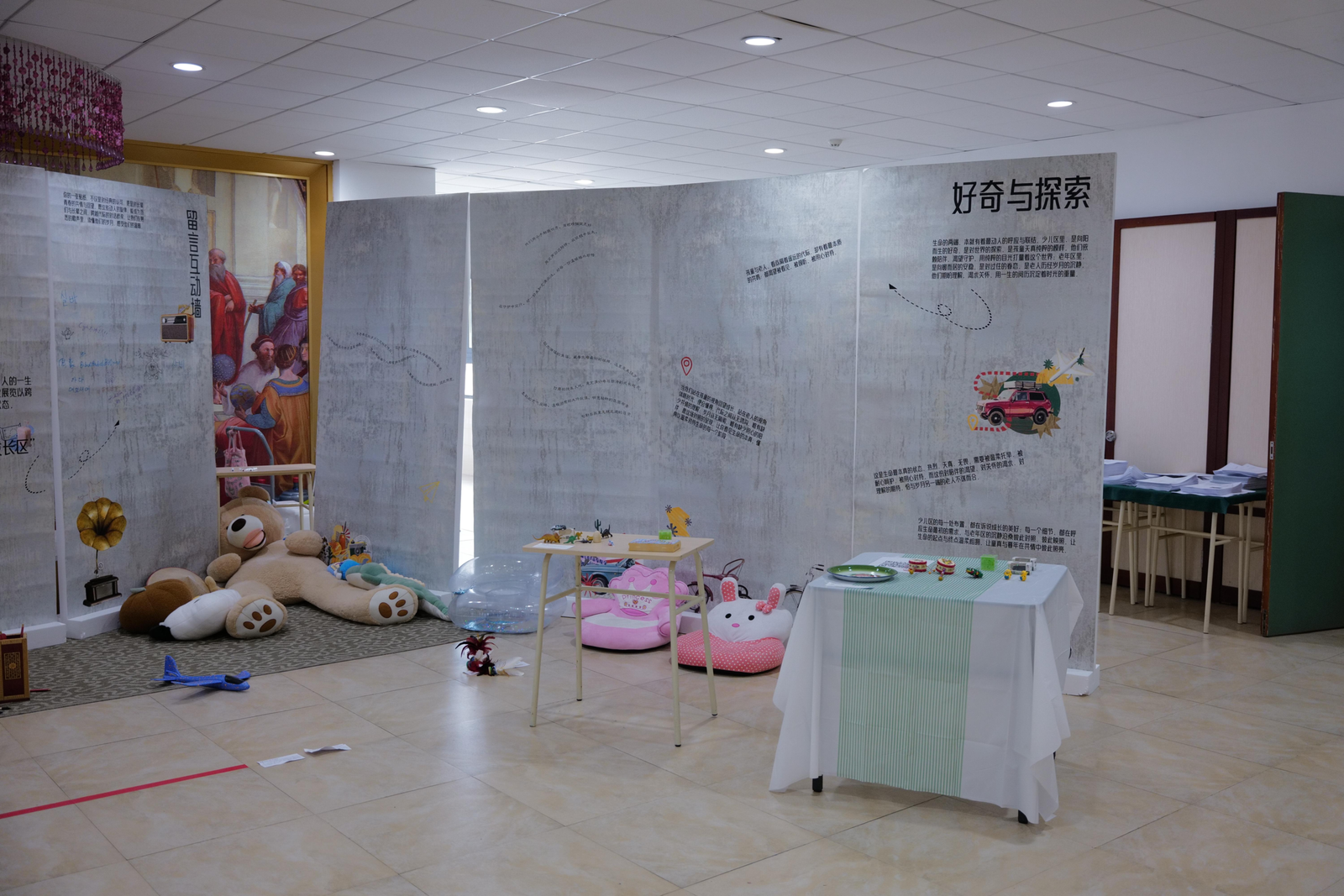
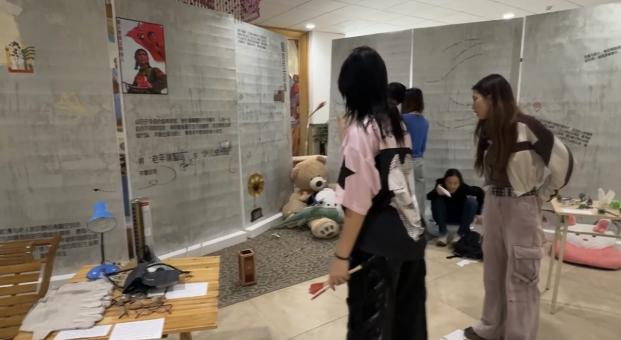
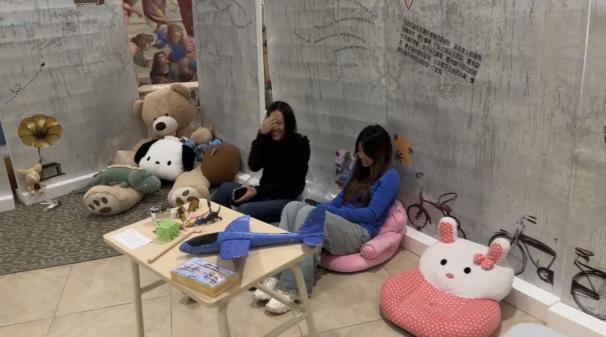
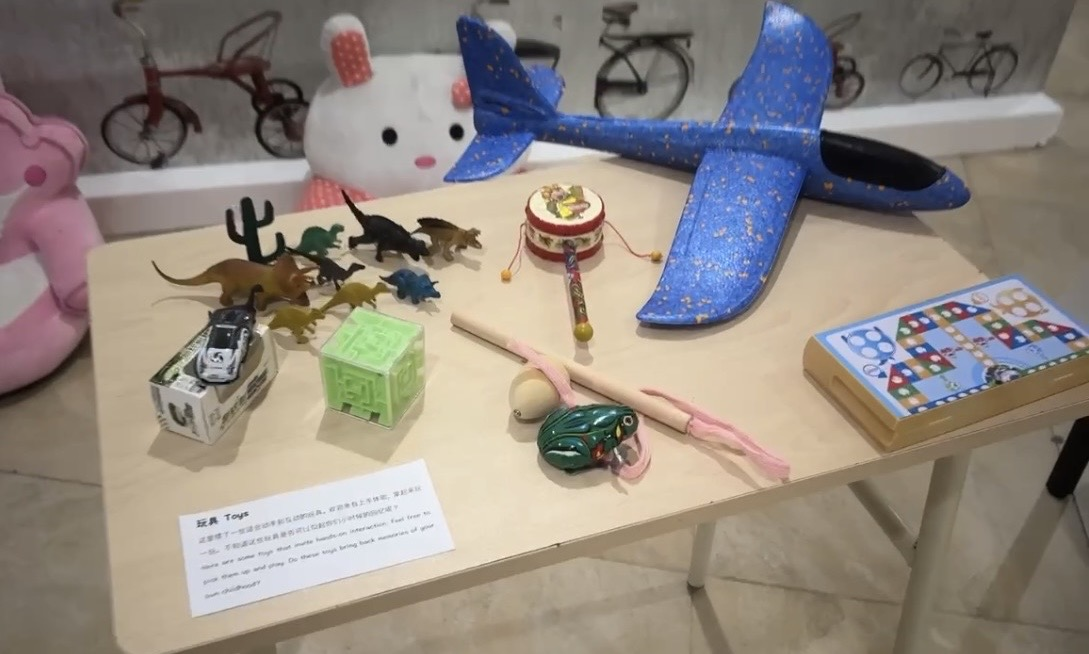
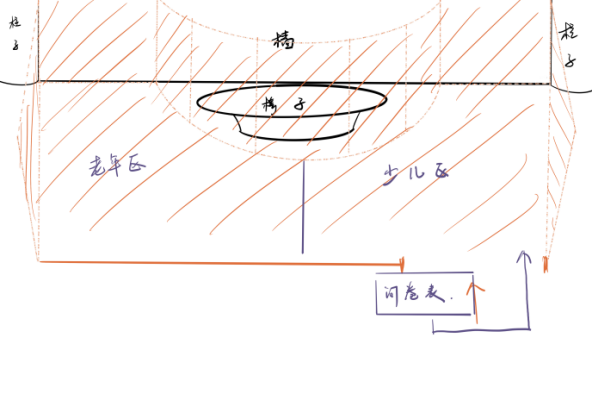
Finally, I designed a detailed questionnaire that asked visitors about their background, their sensory impressions, their understanding of elderly psychology, and their own communication habits with elderly relatives, because I wanted to collect both quantitative and qualitative data that could deepen the exhibition’s educational value and inform my future volunteer work. I carefully wrote all the exhibition texts myself, from the entrance statement to the questionnaire invitation, to ensure a consistent and compassionate narrative throughout the space, and I arranged the layout so that visitors would move from the senior zone to the children’s zone and end at the questionnaire station, creating a natural emotional arc from empathy to reflection to action.
Result
The exhibition successfully opened to the entire school and attracted approximately 600 high school students over the course of the week. The immersive simulations generated immediate and powerful emotional reactions, with many students verbally reporting that wearing the thick gloves and navigating the uneven floors gave them a completely new appreciation for their grandparents’ daily struggles, while the weighted bands and knee pads made simple movements feel exhausting and prompted spontaneous peer discussions about the hidden difficulties of aging. The vintage setting, combined with the scent of sandalwood soap and old books, effectively transported visitors into a nostalgic atmosphere, making the experience feel personal rather than abstract. The questionnaire QR code was distributed to all visitors, and it does promote many students to pause and reflect on their own relationships with elderly family members. The contrast between the elderly zone and the children’s zone proved effective, as many students reflected on the parallel vulnerabilities at both ends of life, noting that both groups require patience, attention, and loving care. The exhibition sparked ongoing conversations among students about interacting with their own elderly relatives, and several attendees expressed interest in joining my volunteer team for future community activities. This outcome confirmed that a single curator, using low-cost materials and immersive design, could effectively break down intergenerational barriers and promote lasting empathy among a large young audience.